Source nickel plated brass multimeter leads for testing, repair, and assembly
Explore 30 options for nickel plated brass multimeter leads suitable for electrical testing, equipment repair, and industrial assembly. Buyers can compare specifications, certifications, and pricing to find the right components for their projects.
Key considerations
Products List






Comprehensive Sourcing Guide
Strategic Sourcing Guide for Nickel Plated Brass Multimeter Leads
Understanding Product Specifications and Material Composition
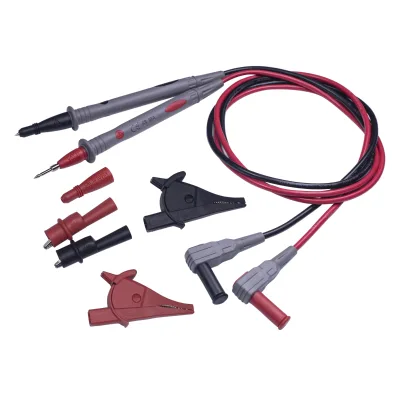
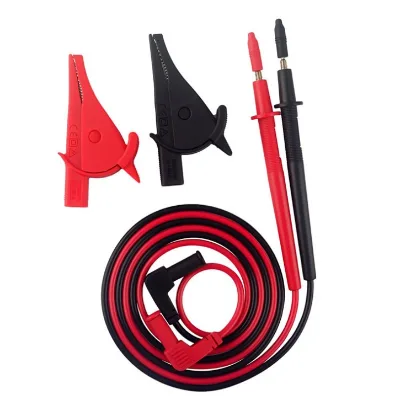
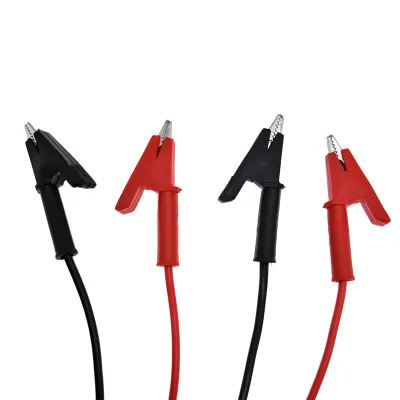
When sourcing nickel plated brass multimeter leads, buyers must first establish a clear understanding of the fundamental material composition and physical specifications that define the product's utility. The core material for these components is brass, a copper-zinc alloy selected for its excellent electrical conductivity and mechanical durability. In the context of high-performance multimeter leads, the brass is frequently subjected to a nickel plating process. This surface treatment is not merely aesthetic; it serves as a critical barrier against corrosion and oxidation, ensuring consistent electrical contact over extended periods of use. The supplied data indicates that the metal material is explicitly identified as brass, with specific references to nickel-plated brass variants, confirming the presence of this protective layer.
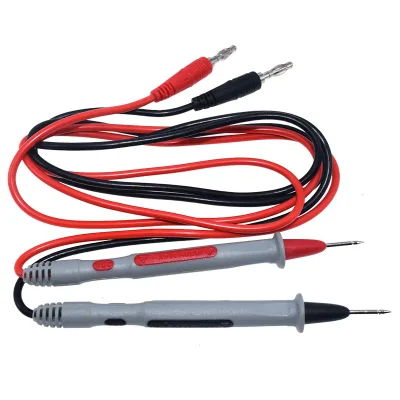
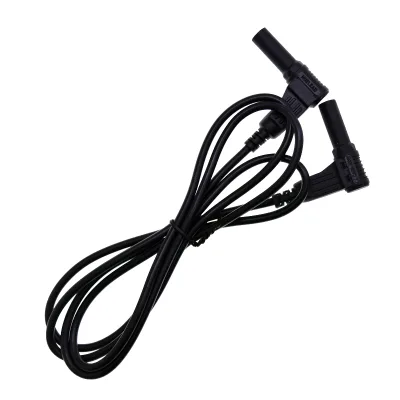
The physical structure of these leads often involves a "universal" design, allowing for compatibility with a wide range of testing equipment and connection points. The connection type is typically male, designed to insert securely into female jacks on multimeters or test leads. A critical specification to verify is the size range, which in the observed market data spans from 1/2" to 2" for certain fittings, though specific multimeter banana plugs may adhere to smaller, standardized dimensions like 4mm. The product description explicitly mentions a "4mm banana plug" configuration, which is the industry standard for connecting test leads to multimeters. This plug type ensures a secure, low-resistance connection that can handle the rated voltage and current. For instance, specific listings note a rated voltage of CATII 600V and a maximum current of 32A, which are vital parameters for ensuring safety during electrical testing.
The construction of the lead often includes a sheath or housing made from plastic materials, specifically PA (Nylon), which provides necessary insulation and mechanical strength. The combination of a brass core with a nickel plating and a nylon sheath creates a robust assembly capable of withstanding the rigors of industrial and laboratory environments. The structure is described as "rigid," which is a distinct characteristic for certain types of connectors or plugs that require stability during insertion, as opposed to flexible wiring. Buyers should verify if the specific model they are sourcing requires a rigid structure for panel mounting or a flexible configuration for handheld testing. The model numbers observed, such as NRW017, NRW007, and BC-B502, suggest a variety of specific configurations available in the market, each potentially tailored to different thread types or pipe diameters, such as 1/8" or 10/24 UNC threads.
Compliance, Certification, and Safety Standards
In the B2B procurement of electrical components, compliance with international standards is non-negotiable. The safety and reliability of multimeter leads depend heavily on adherence to recognized certifications. The supplied product data highlights several key certifications that buyers should look for, including CE, ISO, RoHS, and ISO9001. The CE mark indicates conformity with health, safety, and environmental protection standards for products sold within the European Economic Area, while RoHS (Restriction of Hazardous Substances) ensures that the product does not contain specific hazardous materials like lead or mercury, which is crucial for environmental compliance and worker safety.
ISO certifications, particularly ISO9001, signify that the manufacturer operates under a quality management system that ensures consistent product quality. The presence of these certifications in the product attributes suggests that the suppliers are committed to maintaining rigorous production standards. However, buyers must exercise due diligence. While the data lists these certifications, it is essential to verify the validity of these certificates for the specific batch being purchased. The standard "Size: 1/2" to 2"" and "1.2" to 2"" mentioned in the context may refer to specific fitting standards, but the electrical safety standards are paramount.
When evaluating a supplier, the procurement team should request copies of the current certification documents. The "Standard Export Package" and "Export Standard Packing" mentioned in the data imply that the products are packaged to meet international shipping requirements, which often include compliance with packaging standards that prevent damage during transit. Furthermore, the "Surface treatment: Nickel Plating" and "Surface Treatment: Yes" attributes indicate that the plating process is a controlled step in the manufacturing workflow, likely subject to quality checks to ensure the thickness and uniformity of the nickel layer. This is critical for preventing corrosion, which can lead to increased resistance and potential failure in electrical circuits.
Buyers should also be aware of the "Standard" designation in the product attributes. While this is a generic term, in the context of electrical components, it often implies adherence to a baseline set of industry norms. However, specific industry standards for multimeter leads, such as IEC 61010 for safety requirements for electrical equipment for measurement, control, and laboratory use, should be explicitly confirmed with the supplier. The absence of specific IEC references in the provided data means the buyer must actively verify if the product meets these specific safety benchmarks, especially if the leads are intended for use in high-voltage or industrial environments.
Cost Drivers and Pricing Dynamics
The pricing of nickel plated brass multimeter leads is influenced by several interconnected factors, primarily the cost of raw materials, the complexity of the manufacturing process, and the scale of the order. The base material, brass, is subject to market fluctuations based on the global prices of copper and zinc. The additional cost of nickel plating adds a layer of expense, as the plating process requires specialized equipment and chemical solutions. The observed price range in the market data spans from $0.10 to $17.00 USD. This wide variance suggests that the price is highly dependent on the specific model, the quantity ordered, and the level of customization required.
The Minimum Order Quantity (MOQ) is a significant driver of unit cost. The data indicates an MOQ range from 5 to 5,000 units. Buyers purchasing small quantities, such as the lower end of the range, will likely face a higher unit price due to the fixed costs of setup and production runs. Conversely, ordering at the higher end of the MOQ spectrum can significantly reduce the per-unit cost, making it a strategic consideration for large-scale procurement. The "Selling Units: Multiple of 50" attribute suggests that some suppliers require orders to be placed in batches of 50, which can impact the total cost calculation for buyers needing specific quantities.
Packaging and logistics also contribute to the final cost. The "Standard Export Package" and "Carton Box/Pallets" mentioned in the data imply that the packaging is designed for bulk shipping, which can be more cost-effective than individual retail packaging. However, the "Package size per batch: 20X20X5 cm" and "Gross weight per batch: 1.000 kg" provide specific data points that buyers can use to estimate shipping costs. These dimensions and weights are crucial for calculating freight charges, especially for international shipments from origins like Jiangsu, Dong Guan, or Zhejiang in China.
Customization is another factor that can influence pricing. The "Customization: Available" attribute indicates that suppliers are willing to tailor products to specific requirements, such as different thread types, colors, or branding. Customization typically incurs additional costs due to the need for specialized tooling or production adjustments. Buyers should weigh the benefits of customization against the increased cost, especially if the standard models already meet their technical requirements. The "Brand: Bonico" and "Brand Name: Cy Spray" examples show that some products are branded, which may command a premium price compared to unbranded or generic alternatives.
Typical Applications and Functional Requirements
Nickel plated brass multimeter leads are versatile components used across a wide range of industries and applications. The primary function of these leads is to provide a reliable, low-resistance connection for electrical testing and measurement. The "Function: Mist Cooling System" attribute, while specific to a different product type (Quick Slip Lock Nozzle), highlights the broader context of industrial applications where precision and durability are key. For multimeter leads, the applications are more directly related to electrical diagnostics, quality control, and maintenance.
The "Application: Machine Parts" designation suggests that these components are often used in the manufacturing and maintenance of machinery. In this context, multimeter leads are essential for troubleshooting electrical systems, verifying circuit integrity, and ensuring that machinery operates within safe parameters. The "Rated Voltage/Current: CATII 600V/Max.32A" specification indicates that these leads are suitable for use in environments where higher voltages and currents are present, such as industrial control panels, motor control centers, and power distribution systems.
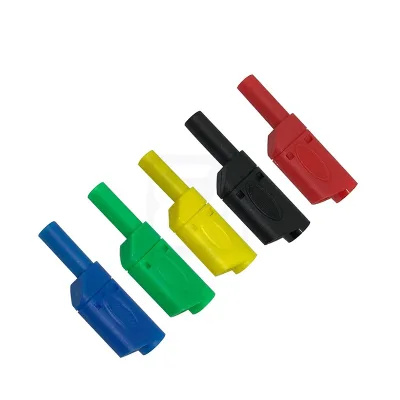
The "Type: Banana Plug" specification points to the specific interface used for connecting the leads to multimeters. This type of connection is ubiquitous in laboratory and field testing scenarios due to its ease of use and secure fit. The "Specification: Red (metal + sheath), Black (metal + sheath), Yellow (metal + sheath), Green (metal + sheath), Blue (metal + sheath)" attribute highlights the importance of color coding in electrical testing. Color coding helps technicians quickly identify positive and negative connections, reducing the risk of errors and improving safety. The availability of multiple colors allows for complex testing setups where multiple circuits need to be monitored simultaneously.
The "Connect Thread: 1/8", 10/24unc" and "Pipe Dia.: 9.52mm" attributes suggest that these leads may also be used in applications involving fluid systems or pneumatic connections, although this is less common for standard multimeter leads. This versatility indicates that the components can be adapted for various industrial needs, from simple electrical continuity checks to more complex diagnostic procedures. The "Structure: Universal" attribute reinforces the idea that these leads are designed to be compatible with a wide range of equipment, making them a valuable asset for maintenance teams that work with diverse machinery.
Supplier Evaluation and Geographic Considerations
Evaluating suppliers for nickel plated brass multimeter leads requires a thorough assessment of their capabilities, location, and track record. The supplied data indicates that the products originate from various locations in China, including Jiangsu, Dong Guan, and Zhejiang. These regions are known for their robust manufacturing bases and expertise in producing electrical components and metal fittings. The "Place of Origin: Jiangsu, China" and "prod_origin: Dong Guan, China" details provide specific geographic insights that can help buyers assess the logistics and supply chain reliability.
When selecting a supplier, buyers should consider the "Standard Export Package" and "Standard Export Carton" attributes as indicators of the supplier's experience with international shipping. Suppliers who consistently use these packaging standards are likely to have established relationships with logistics providers and a deep understanding of export regulations. The "Certification: ISO, CE" and "Certification: RoHS, ISO9001" attributes are also critical factors. A supplier that holds these certifications is more likely to adhere to international quality and safety standards, reducing the risk of receiving substandard products.
The "Technics: Forged" attribute suggests that some components are manufactured using forging techniques, which can enhance the mechanical strength and durability of the brass parts. Buyers should inquire about the specific manufacturing processes used by the supplier to ensure they align with the required performance standards. The "Surface treatment: Nickel Plating" and "Surface Treatment: Yes" attributes indicate that the plating process is a key part of the manufacturing workflow. Buyers should verify the supplier's quality control measures for this process to ensure the plating is uniform and durable.
Geographic proximity to the buyer's location can also influence the decision. While the data shows that the products are primarily sourced from China, the specific provinces mentioned (Jiangsu, Dong Guan, Zhejiang) are all major manufacturing hubs. Buyers should consider the lead times associated with shipping from these locations and the potential impact of geopolitical factors on the supply chain. The "D/C: 2025" attribute suggests that the products are current or upcoming, which is a positive indicator of the supplier's ability to maintain a steady supply of up-to-date inventory.
Quality Control and Long-Term Procurement Strategy
Implementing a robust quality control (QC) strategy is essential for ensuring the long-term reliability of nickel plated brass multimeter leads. The "Gross weight per batch: 1.000 kg" and "Package size per batch: 20X20X5 cm" attributes provide specific data points that can be used to verify the consistency of the product batch. Buyers should establish clear acceptance criteria based on these specifications, ensuring that the weight and dimensions of the received goods match the expected values. Deviations from these standards could indicate issues with the manufacturing process or packaging.
The "Material: Plastic, Brass" and "Material: Ss, Nickel Plated Brass" attributes highlight the importance of material verification. Buyers should request material test reports (MTRs) from the supplier to confirm that the brass and nickel plating meet the specified standards. The "Surface treatment: Nickel Plating" process should be inspected for thickness and adhesion to prevent corrosion and ensure long-term performance. The "Standard: CE, ISO" and "Standard: 322018" attributes suggest that there are specific standards to which the products should conform, and buyers should verify these during the QC process.
Long-term procurement considerations involve building a sustainable relationship with suppliers who can consistently deliver high-quality products. The "Customization: Available" attribute indicates that suppliers are flexible and willing to adapt to changing requirements, which is a valuable trait for long-term partnerships. Buyers should also consider the "Selling Units: Multiple of 50" attribute when planning their inventory levels to avoid overstocking or stockouts. The "Brand: Bonico" and "Brand Name: Cy Spray" examples show that branding can be a factor in supplier selection, as established brands often have a reputation for quality and reliability.
Finally, buyers should develop a comprehensive risk management strategy that includes diversifying their supplier base to mitigate the risk of supply chain disruptions. The "Location: China" and "Place of Origin: Jiangsu, China" data points highlight the concentration of suppliers in specific regions, which could pose a risk if local disruptions occur. By maintaining relationships with multiple suppliers across different locations, buyers can ensure a steady supply of nickel plated brass multimeter leads and maintain operational continuity. The "Standard Export Package" and "Export Standard Packing" attributes should be leveraged to ensure that the products are protected during transit, minimizing the risk of damage and ensuring that the quality is maintained from the factory to the final destination.
FAQs
What materials are used for nickel plated brass multimeter leads?
The leads use brass as the metal material with a nickel plating surface treatment. The housing or sheath is typically made from PA Nylon plastic to ensure insulation and mechanical strength during electrical testing operations.
Which certifications are available for these electrical components?
Available certifications include CE, ISO, RoHS, and ISO9001. These marks indicate compliance with safety standards and quality management systems, ensuring the products meet international requirements for electrical components.
How is the product packed for export shipping?
Products are shipped in standard export packages, poly bags, or carton boxes on pallets. Specific batch packaging dimensions are 20x20x5 cm with a gross weight of 1.000 kg per batch for efficient logistics.
Can buyers request customization for these multimeter leads?
Yes, customization is available for specific buyer requirements. Buyers can request tailored specifications such as different thread types, colors, or branding options depending on the supplier's production capabilities.
What is the typical MOQ range for ordering these leads?
The minimum order quantity ranges from 5 to 5000 units depending on the supplier and model. Some selling units are sold in multiples of 50, which affects the total order calculation for buyers.
Where are these nickel plated brass components manufactured?
Products originate from various locations in China including Jiangsu, Dong Guan, and Zhejiang. These regions are known for manufacturing industrial parts and electrical components with established supply chains.
What are the rated voltage and current specifications?
Specific models are rated for CATII 600V voltage and a maximum current of 32A. This rating ensures safety and reliability for use in industrial control panels and power distribution systems.